

Coffee Guides
Types of Coffee Beans: A Practical Guide to Origins and Flavor
Aug
Coffee bean labels can look simple, but the cup is shaped by several connected choices: species, origin, processing, roast and brewing method. Understanding those factors makes shopping easier and helps you choose for your own taste instead of chasing a single “best” bean. This guide explains the main types of coffee beans and the flavor clues worth noticing.
Start with the two main coffee species
Most coffee sold worldwide comes from Arabica or Robusta. Species gives you a useful starting point, but it does not determine quality by itself. Farm conditions, harvest decisions, processing, roasting and freshness all change the result.
Arabica
Arabica is commonly associated with a wide range of aromas, gentle sweetness and noticeable acidity. Depending on origin and processing, its cup may suggest chocolate, nuts, caramel, fruit, citrus or flowers. It can work beautifully as Turkish coffee, espresso or filter coffee when roast and grind match the brewing method. Choose Arabica when you enjoy clarity, aroma and distinct tasting notes rather than strength alone.
Robusta
Robusta generally delivers a heavier body, stronger bitterness and more caffeine than Arabica. It is often used in espresso blends to add weight and support crema, although the result depends on bean quality and roasting. Some drinkers enjoy its direct, powerful character; others prefer it in a balanced blend. The useful question is not whether Robusta is “good” or “bad,” but whether its profile suits your cup.
How origin influences flavor
Origin describes more than a country name. Altitude, climate, variety and local processing practices influence the green bean before roasting begins. Country profiles are helpful guides, not fixed promises, because farms and harvests differ. Still, several origins have recognizable tendencies that make comparison easier.
Brazilian coffee
Brazilian coffees are often associated with chocolate, nuts, caramel-like sweetness and rounded body. These approachable characteristics can suit Turkish coffee and espresso, especially for drinkers who prefer a smooth cup with restrained acidity. They can also provide a dependable base for blends.
Colombian coffee
Colombian coffees often balance sweetness, medium body and lively but controlled acidity. Depending on region and roast, you may notice caramel, cocoa, red fruit or citrus. This versatility makes Colombian coffee useful for espresso and other brewing styles when you want definition without an overly sharp finish.
Ethiopian coffee
Ethiopia is known for remarkable aromatic variety. Coffees may offer floral, citrus, berry or tea-like impressions, while others are fuller and fruit-forward. Washed lots may feel cleaner and brighter, while naturally processed coffees may emphasize ripe fruit and sweetness. These profiles appeal to drinkers who enjoy exploring aroma.
Yemeni coffee
Yemeni coffees are often linked with deep fruit, cocoa, spice and distinctive rustic complexity. Their character can be especially interesting in finely ground Turkish coffee, where aroma and body are central. As with every origin, the specific lot and roast matter more than a broad country label.
Processing changes the same bean
After picking, coffee fruit must be processed to separate the seed from the cherry. Washed processing usually highlights clarity and acidity. Natural processing dries the coffee inside the fruit and may encourage fuller body and fruit-led flavors. Honey or pulped-natural methods sit between those approaches and can emphasize sweetness and texture.
Roast level decides what comes forward
- Light roast: usually preserves more origin character, aroma and acidity. It can suit drinkers who enjoy delicate or fruit-led flavors.
- Medium roast: often balances sweetness, body and origin notes. It is a flexible choice for Turkish coffee, espresso and everyday brewing.
- Dark roast: emphasizes roast character, deeper bitterness and smoky or dark-chocolate impressions. It can stand up well in milk drinks when used carefully.
Roast labels are not universal, so one roaster’s medium may look darker than another’s. Use the label as a guide, then judge the cup. “Stronger” flavor also does not automatically mean more caffeine; roast character, dose and brewing method are separate factors.
Match the grind to the brewing method
Even excellent beans can taste unbalanced when the grind is wrong. Turkish coffee needs an extremely fine, powder-like grind because the coffee remains in the cup. Espresso also uses a fine grind, but it must be adjusted to the machine, dose and extraction time. Filter methods normally use a coarser grind, with the exact setting depending on the brewer. If you do not grind at home, select the preparation method when ordering.
A simple way to choose your next coffee
- Start with the way you brew: Turkish coffee, espresso, filter or a milk-based drink.
- Decide whether you prefer smooth and chocolate-led, bright and fruity, or bold and roast-forward flavors.
- Choose the body you enjoy, from light and clean to full and intense.
- Compare one variable at a time, such as origin or roast, so you can recognize what changed.
- Buy a practical quantity and note how it tastes at your usual dose and sweetness level.
There is no universal winner because taste and preparation are personal. A rounded Brazilian coffee may suit one morning, while an aromatic Ethiopian cup or a deeper blend suits another. Explore the available origins, blends and formats in the Turkaffe online shop, then use each cup to refine your next choice.
Build a useful tasting vocabulary
You do not need specialist language. Ask whether the aroma is gentle or intense, the body light or heavy, and the finish sweet, bitter, bright or dry. Note any impression of chocolate, nuts, fruit or spice. A few observations while the coffee is warm and as it cools will gradually create a buying guide based on your own preferences.
Frequently asked questions
Is Arabica always better than Robusta?
No. They offer different characteristics, and quality varies within both. The better choice is the one that delivers the body, aroma and intensity you want.
Should I choose single-origin coffee or a blend?
Single-origin coffee can highlight a particular place or profile. A blend combines coffees to create a deliberate balance of sweetness, body and aroma. Both can be excellent when they match your brewing method and taste.
Is whole bean always the right choice?
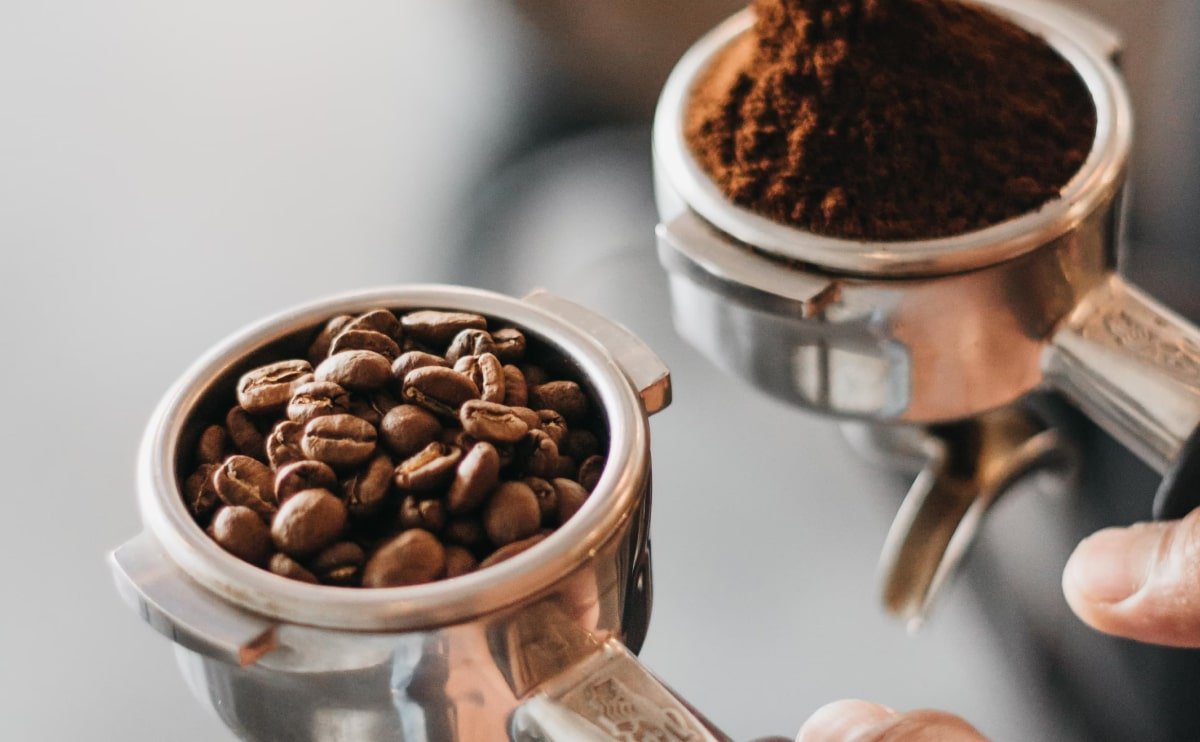
Whole beans help preserve aroma when you have a suitable grinder. Professionally ground coffee is more practical when you do not, provided you choose the correct grind and store it away from heat, light, moisture and strong odors.
Use species as the starting point, origin as a flavor clue, roast as the frame and grind as the final adjustment. That combination turns a confusing label into a clear decision and makes every new coffee easier to understand.
