

-
×
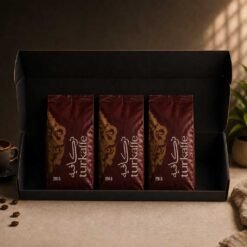 Turka Power Box
1 × 1,000 EGP
Turka Power Box
1 × 1,000 EGP
Coffee Guides
How to Choose the Best Coffee in Egypt for Your Taste

27
Aug
Aug
The “best coffee” is not one fixed bean, roast or brand. It is the coffee that fits your taste, brewing equipment and daily routine. In Egypt, shoppers can choose from Turkish coffee, espresso beans, single origins, blends and flavored options. Use this guide to compare those choices without relying on vague labels or price alone.
Define the cup you actually enjoy
Begin with flavor rather than product names. Do you prefer chocolate and nuts, fruit and citrus, warm spice, or a darker roasted character? Then consider body: some people enjoy a clean, lighter cup, while others want a dense texture and a long finish. Acidity is another useful clue. In coffee, acidity describes brightness or liveliness, not simply sourness. A balanced cup can be bright without tasting harsh.
Your usual additions matter too. Coffee served without milk or sugar exposes subtle origin notes clearly. A cup prepared with milk may benefit from more body and a flavor profile that stays recognizable after mixing.
Match the coffee to your brewing method
Turkish coffee
Turkish coffee requires an extremely fine, powder-like grind. A medium roast is a versatile starting point because it can balance aroma, sweetness and body, while darker profiles offer a more roast-forward cup. Origin and blend still matter: Brazilian coffees often lean toward cocoa and nuts, Colombian coffees may add balance and gentle brightness, and Yemeni coffees can bring deeper fruit and spice. Choose plain or cardamom-flavored coffee according to preference rather than assuming one is more authentic for every occasion.
Espresso
Espresso needs a fine grind that can be adjusted to the machine, basket and dose. A coffee with enough body and sweetness is often easier to dial in, especially for cappuccino or latte. Single-origin espresso can highlight a particular profile, while a blend can combine sweetness, body and aroma more consistently. If a shot runs too quickly or slowly, change the grind before deciding that the bean is wrong.
Milk-based coffee
Milk softens bitterness and acidity, so coffees with chocolate, caramel, nut or deeper fruit impressions often remain clear in the finished drink. Medium to moderately dark roasts are common choices, but there is no required rule. Start with the flavor you want to taste through the milk, then adjust coffee dose and milk quantity before changing beans.
Filter and other methods
Filter brewing usually uses a coarser grind than espresso and can reveal delicate aroma and acidity. Ethiopian or Colombian coffees may be rewarding when you enjoy floral, citrus or fruit-led notes, while Brazilian coffee can produce a rounder, more familiar cup. Follow the brewer’s recommended ratio, then adjust one variable at a time.
Use origin as a guide, not a guarantee
- Brazil: often associated with cocoa, nuts, caramel-like sweetness and rounded body.
- Colombia: frequently balances sweetness, medium body and lively but controlled acidity.
- Ethiopia: known for aromatic diversity that may include floral, citrus, berry or tea-like impressions.
- Yemen: often linked with deep fruit, cocoa, spice and rustic complexity.
These descriptions are tendencies, not promises. Region, harvest, processing and roasting can produce major differences within one country. Read the specific product description and use your own tasting notes to decide whether an origin deserves a repeat purchase.
Choose a roast level with purpose
Light roasting usually keeps more origin character and noticeable acidity. Medium roasting often creates a flexible balance of sweetness, aroma and body. Dark roasting brings the roast itself forward, with deeper bitterness and smoky or dark-chocolate impressions. Darker does not automatically mean “better,” “stronger” in caffeine, or more suitable for every method. Choose it when you genuinely enjoy its flavor or need a profile that remains clear in milk.
Get the grind right
Grind size controls how quickly water extracts flavor. A grind that is too coarse for the method may taste thin or sharp; one that is too fine may taste harsh or stall the brew. Turkish coffee needs the finest grind, espresso needs a fine but adjustable grind, and filter methods need progressively coarser settings. If you buy ground coffee, select the intended preparation method. If you own a capable grinder, whole beans give you more control.
Pay attention to freshness and storage
Freshness matters, but coffee does not need to be consumed the moment it is roasted. It often benefits from a short resting period, especially for espresso, and the ideal timing varies by coffee and packaging. Once opened, keep it sealed in a clean, dry container away from sunlight, heat, moisture and strong odors. Buy a quantity that suits your actual consumption instead of storing a large bag for months.
Straight coffee, flavored coffee or a tasting box?
Straight coffee is useful when you want to understand origin and roast clearly. Flavored coffee can add familiar notes such as hazelnut or cinnamon while keeping coffee at the center of the cup. A tasting or mixed box is practical when you are still comparing profiles or buying for a household with different preferences. Browse the current Turkaffe coffee selection to compare available origins, blends, flavored coffees and box formats without assuming that one style suits everyone.
A practical buying checklist
- Choose the brewing method first.
- Select the flavor direction: chocolate and nuts, fruit and flowers, spice, or roast-forward.
- Decide how much body and acidity you enjoy.
- Pick the correct grind or choose whole beans if you grind at home.
- Start with a manageable quantity.
- Keep dose, water and preparation consistent while comparing coffees.
- Record what you liked and what you would change next time.
Frequently asked questions
Does a higher price always mean better coffee?
No. Price can reflect origin, availability, processing and production costs, but enjoyment remains personal. Judge value by freshness, transparency, preparation fit and how consistently you enjoy the cup.
Which coffee is easiest for a beginner?
A balanced medium roast with chocolate, nut or caramel-like notes is often approachable, but it is not the only valid starting point. Choose a familiar profile, prepare it consistently and compare from there.
How can I compare two coffees fairly?
Use the same brewing method, water amount, dose, cup size and sweetness level. Change only the coffee, then note aroma, body, acidity, sweetness and finish. A simple comparison is more useful than chasing someone else’s rating.
The best choice in Egypt is the coffee that works in your equipment and gives you the flavor you want repeatedly. Start with method, narrow the origin and roast, select the right grind, then let your own tasting notes guide the next order.
