

Coffee Guides
Turkish Coffee Guide: Calories, Brewing and Flavor
Aug
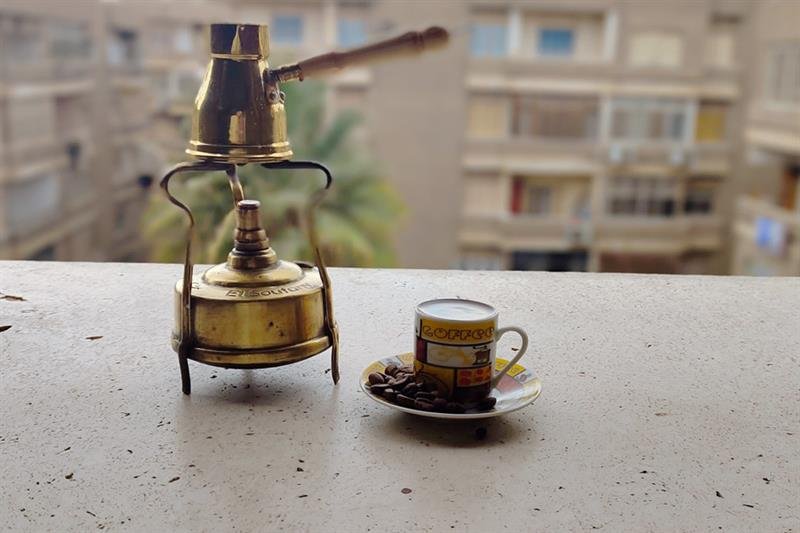
Turkish coffee is defined as much by its preparation as by its taste. Very finely ground coffee is heated with water in a cezve or kanaka, poured without filtration and served in a small cup. The fine particles create a full texture, while gentle heating helps build aroma and foam. The result can be smooth, intense, sweet or pleasantly bitter depending on the beans, roast, dose and added sugar.
How many calories are in Turkish coffee?
Plain coffee brewed with water is very low in calories. As a practical estimate, a small unsweetened Turkish coffee is often counted as roughly 1–5 calories. This is an approximate range, not a fixed nutrition value: cup size, coffee dose, the amount of suspended grounds and how much sediment is consumed can all change the result.
Sugar and other additions make a much larger difference than the coffee itself. One level teaspoon of sugar weighs about 4 grams and contributes roughly 16 calories; two similar teaspoons add about 32 calories. Spoon sizes and recipes vary, so these numbers should be treated as estimates. Milk, cream, flavored syrup or chocolate should be counted according to the amount used and the product label.
- Unsweetened: usually only a few calories in a small cup.
- Lightly sweetened: add the calories from the measured sugar.
- Sweet or flavored: calculate each addition separately rather than assuming every cup is the same.
Turkish coffee is traditionally served with the grounds settled at the bottom. You do not need to drink the sediment. This section is general food information rather than medical or personalized dietary advice.
Choose coffee for the flavor you enjoy
Turkish coffee requires an extremely fine, powder-like grind, but it does not require one specific origin or roast. The bean determines much of the aroma, sweetness, acidity and body. Brazilian coffees may suggest chocolate, caramel or roasted nuts; Colombian coffees may feel balanced with gentle fruit-like brightness; Yemeni coffees may show deeper spice, dried-fruit or earthy notes. These are common tendencies, not guarantees, because processing and roasting also shape the cup.
A lighter roast can preserve more origin character and lively acidity. A medium roast often balances aroma, sweetness and body. A darker roast usually emphasizes roast flavor and bitterness. Choose according to taste rather than assuming that darker always means stronger or better. To compare the coffees currently available, visit the Turkaffe online shop and read the origin and flavor descriptions before choosing.
Why the grind must be exceptionally fine
Turkish coffee is not filtered after brewing, so the grounds remain in the cup and settle gradually. A powder-fine grind helps create the characteristic body and allows extraction during a short, gentle heating process. A standard filter grind is too coarse, and many espresso settings are still not fine enough.
A reliable method for brewing Turkish coffee
Use the serving cup to measure the water so the final quantity fits the number of guests. As a simple starting point, use one heaped teaspoon of finely ground coffee for each small cup of water. Adjust the dose after tasting; cup sizes and preferred strength differ.
- Measure the water. Add cool or room-temperature water to the cezve or kanaka, leaving enough space for the foam to rise.
- Add coffee and sugar. If sugar is wanted, add it now. It is easier to keep the cup even when everything is mixed before heating.
- Stir before heating. Mix until no dry pockets remain, then stop stirring once the coffee begins to warm and foam develops.
- Heat gently. Use low to medium-low heat. A slower rise gives better control and reduces the chance of a harsh, rolling boil.
- Watch the foam. Remove the pot as the foam rises toward the rim, before vigorous boiling. You may spoon a little foam into each cup before pouring if serving more than one person.
- Pour slowly and wait. Divide the coffee carefully, then allow a short pause for the grounds to settle before drinking.
Foam matters, but taste matters more
Foam is part of the familiar presentation, but it is not the only sign of quality. Freshness, grind, pot size, heat and pouring all affect it; taste and aroma remain the better test.
Avoid a hard boil. Vigorous bubbling can collapse the foam, drive away aroma and make bitterness more obvious. At the same time, removing the pot too early may leave the drink thin or underdeveloped. The useful cue is a steady rise across the surface, followed by removal before the coffee spills or rolls.
How brewing choices change the taste
Strength and body
More coffee for the same water increases concentration and body. Too much can make the cup heavy and difficult to balance; too little can taste watery. Change the dose in small steps and keep the cup volume consistent while testing.
Sweetness
Because sugar is cooked with the coffee in many traditional recipes, it changes both flavor and the perception of bitterness. Ask guests how sweet they prefer their cup before heating. If several sweetness levels are needed, separate pots give more consistent results.
Heat and timing
Fast heating gives less control and can produce an uneven cup. Gentle heat allows the grounds, water and sugar to come together while the foam forms. The goal is not to repeat a fixed number of rises; it is to brew thoroughly without scorching or boiling aggressively.
Common Turkish coffee problems
- Little or no foam: try fresher coffee, a smaller suitable pot, gentler heat and less stirring after warming begins.
- Burnt or sharply bitter flavor: lower the heat and remove the pot before a rolling boil.
- Weak, watery flavor: confirm that the grind is Turkish-fine, then slightly increase the coffee dose.
- Too much grit while drinking: pour steadily, wait longer for settling and stop before reaching the sediment.
- Inconsistent cups: measure water, coffee and sugar the same way each time before changing one variable.
Serve and explore the cup
Serve Turkish coffee soon after brewing, with water if desired. Sip slowly and notice aroma, sweetness, body and aftertaste as the cup cools.
A dependable cup comes from a suitable fine grind, measured ingredients and patient heat. Once the method is consistent, explore different origins and blends. You can browse Turkaffe Turkish coffee and available blends, then use the same recipe to compare each coffee fairly.
